Explore engine performance
Polo 1.2 TSI Services: Maximize Your Driving Experience With Specialized Assistance
Maintaining a Polo 1.2 TSI is fundamental for sustaining its longevity and output. Routine maintenance programs can tremendously improve fuel consumption and overall driving experience. Competent care involves not just basic tasks, but also precise testing methods that can discover issues early. Comprehending the importance of these services can make a tremendous difference. What vital care techniques should owners emphasize to truly refine their ride?
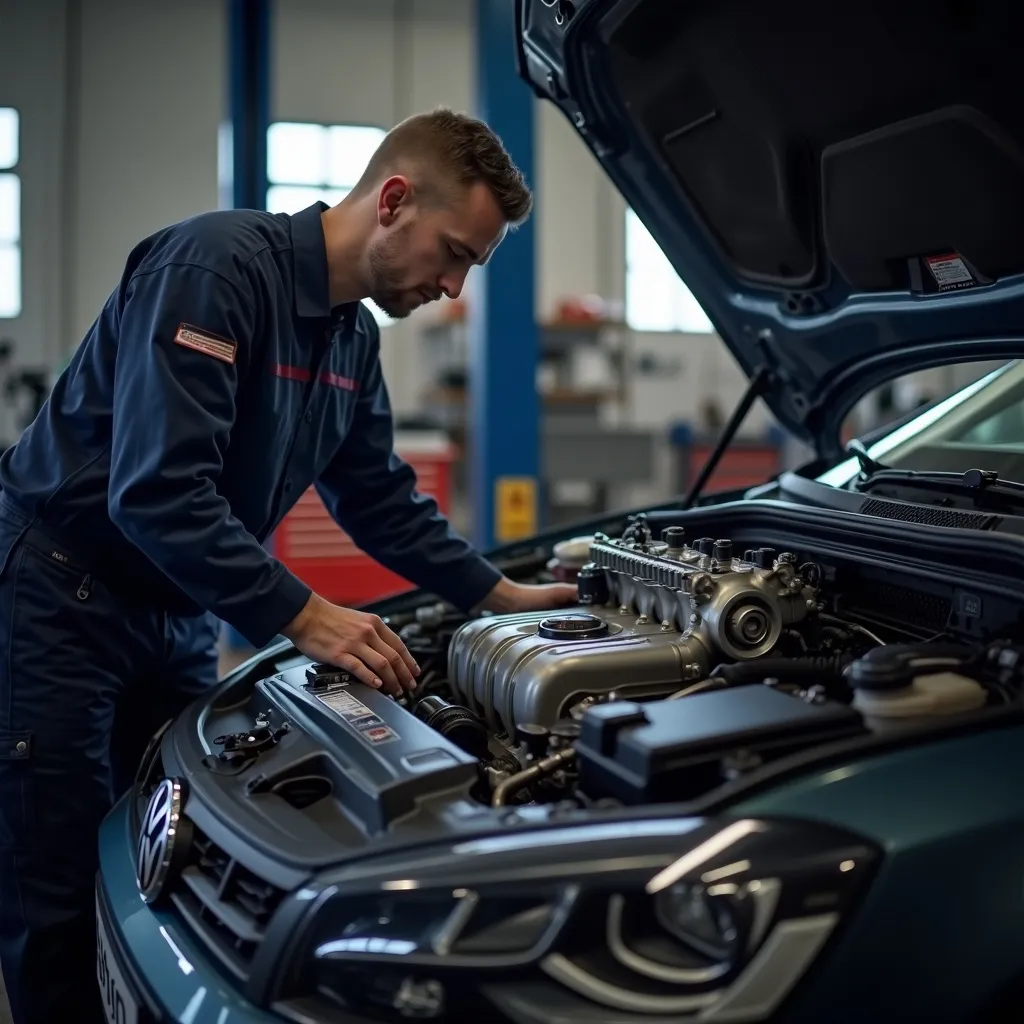
Why Ongoing Service Is Important for Your Polo 1.2 TSI
Consistent maintenance plays a vital part in guaranteeing the longevity and performance of the Polo 1.2 TSI. This small car model, esteemed for its economical nature and agility, requires routine checks to keep it functioning at its best. Consistent maintenance helps identifying latent problems before they advance, consequently reducing the possibility of costly repairs. Processes including oil service, fluid monitoring, and tire rotations meaningfully add to the car's overall health.
Moreover, adherence to a maintenance schedule ensures that all components function effectively, enhancing fuel efficiency and driving experience. A well-maintained Polo 1.2 TSI not only runs superior but also maintains its resale value over time. Ignoring maintenance can lead to reduced dependability and might jeopardize safety features. Ultimately, keeping up with regular maintenance is a preventative strategy that protects the vehicle's performance and extends its lifespan, allowing owners to enjoy their driving experience fully.
Vital Engine Upkeep for Excellent Performance
To secure the Polo 1.2 TSI performs at top performance, critical engine maintenance must be given priority. Regular oil changes are vital for keeping adequate lubrication, while consistent air filter care secures optimal airflow to the engine. Together, these services greatly enhance performance and longevity.
Routine Oil Changes
Achieving superior motor operation copyrights on the consistency and quality of oil changes. For the Polo 1.2 TSI, regular oil changes are critical in guaranteeing the engine functions smoothly and efficiently. Engine oil conditions moving parts, minimizes friction, and facilitates the dispersal of heat, which is essential for long-term durability. Over time, oil deteriorates and accumulates contaminants, leading to reduced performance and conceivable harm. Experts advise changing the oil every 5,000 to 10,000 kilometers, depending on driving conditions and oil type used. Using premium oil that meets manufacturer specifications is equally important, as it delivers optimal protection and boosts fuel efficiency. Therefore, adhering to a consistent oil change routine is crucial for preserving the vehicle's performance and reliability.
Air Filter Maintenance
Maintaining optimal engine efficiency demands careful air filter maintenance. The air filter serves a vital function in controlling the airflow to the engine, blocking dust and debris from entering. A clean air filter improves fuel efficiency and engine responsiveness, while a clogged filter can lead to reduced power and increased emissions. It is advised to check the air filter frequently, usually at every service interval, and replace it as needed or every 12,000 to 15,000 miles. Utilizing high-quality filters can offer better filtration, guaranteeing maximum airflow. Ignoring air filter maintenance can compromise engine health, causing costly repairs. As a result, for the Polo 1.2 TSI, timely air filter care is vital for maintaining performance and longevity.
Quality Oil Changes: Why They Deserve Your Focus?
Routine oil changes are important for the longevity and performance of a Polo 1.2 TSI. Engine oil serves an essential function in protecting engine parts, reducing resistance, and dissipating heat, which helps maintain optimal engine efficiency. Over time, oil can become contaminated with dirt, debris, and engine wear particles, leading to impaired protection and potential engine deterioration.
Premium oil servicing as a concern guarantees that the engine operates smoothly and performs efficiently. High-grade oils contain chemical agents formulated to protect the engine from rust and damage, maximizing overall capability. Moreover, routine oil maintenance can improve fuel mileage, preserving costs in the long run.
Moreover, following the manufacturer's suggested oil change cycles can prevent expensive maintenance and prolong the vehicle's durability. Ultimately, allocating funds for superior oil changes is a forward-thinking action that improves the driving experience and maintains the Polo 1.2 TSI's performance.
Brake System Evaluation: Fundamental Observations
The braking mechanism is critical for vehicle operation and protection, making routine inspection important. Indicators of brake deterioration, such as unusual sounds or reduced responsiveness, should not be ignored. Routine checks not only boost safety but also prolong the lifespan of the brake parts.
Value Of Brake Safety
While many drivers disregard brake system inspections, their value cannot be overstated. The brake system is an essential component of vehicle protection, directly affecting stopping power and overall control. Regular inspections ensure that all parts, including pads, rotors, and fluid levels, are working at maximum efficiency. Ignoring these evaluations can result in diminished performance, raising the risk of accidents. Moreover, prompt study identification of problems can prevent expensive repairs in the future. Brake safety is not merely about preserving vehicle reliability but also about shielding the driver, passengers, and other road users. Focusing on brake system assessments cultivates a proactive strategy to vehicle maintenance, ultimately enhancing a safer driving experience. Drivers should regard these assessments a essential part of responsible car ownership.
Signs Of Brake Wear
Numerous indicators suggest brake deterioration, and identifying them promptly can avoid serious issues. A typical indicator is a squeaking or grinding sound when braking, suggesting deteriorated brake pads. Additionally, reduced responsiveness or a soft sensation in the brake pedal may signify air in the brake lines or brake fluid loss. Shaking during braking can suggest irregularly deteriorated rotors, while the car pulling to one side may suggest uneven brake pad wear. Alert indicators on the dashboard can also signal brake system issues. Regularly monitoring these signs enables car owners to address potential problems before they escalate, ensuring safer driving conditions and prolonging the life of the brake system. Prompt intervention can save on costly repairs and enhance general car functionality.
Regular Inspection Benefits
Conducting frequent brake system reviews delivers important advantages for vehicle security and performance. By spotting likely complications in advance, these reviews help avert expensive work and enhance the lifespan of brake elements. Frequent assessments assure peak functionality, lessening the likelihood of brake failure during critical instances. In addition, evaluations promote reliable braking efficiency, contributing to overall motoring comfort and confidence.
In addition, following a routine inspection schedule permits drivers to preserve compliance with safety guidelines, avoiding penalties and offering peace of mind. The benefits go beyond safety, as well-maintained brakes can enhance fuel efficiency and automobile handling. Ultimately, consistent brake system evaluations are a proactive measure that greatly contributes to a safer and more enjoyable driving experience in the Polo 1.2 TSI.
How Tire Care Boosts Safe Driving and Fuel Efficiency
Proper tire upkeep is crucial for maximizing both safety and fuel efficiency in vehicles like the Polo 1.2 TSI. Consistent tire upkeep, including checking air pressure, wear depth, and alignment, significantly impacts a vehicle's performance. Adequate tire pressure not only enhances fuel efficiency by reducing rolling resistance but also improves stability and handling, ensuring more secure driving.
Moreover, sustaining adequate tread depth is imperative for superior traction, notably in moisture-laden or treacherous conditions. Degraded tires can produce prolonged braking periods and a elevated risk of hydroplaning, endangering safety. Regularly rotating tires supports even wear distribution, prolonging their operational lifespan and optimizing fuel economy.
Why Comprehensive Technical Review Reduces Costly Service Expenses?
Specialized analysis serve as an essential role in detecting issues within the Polo 1.2 TSI before they escalate into significant concerns. Using sophisticated techniques, these analytical tools examine various systems within the vehicle, including the engine, gearbox, and electrical parts. By identifying fault codes and irregularities early on, mechanics can resolve minor concerns before they develop into expensive fixes.
For instance, a slight engine misfire identified via diagnostics can lead to a straightforward spark plug change, while ignoring it could result in severe engine harm. Regular diagnostics also ensure that the vehicle operates efficiently, improving fuel consumption and performance. Additionally, preventive maintenance based on diagnostic results improves the longevity of the vehicle, reducing the likelihood of unexpected breakdowns. In the end, specialized diagnostics not only safeguard the Polo 1.2 TSI's performance but also provide peace of mind for the owner, making it a essential component of proper vehicle care.
Selecting the Perfect Repair Facility for Your Polo 1.2 TSI
Choosing the appropriate service center for a Polo 1.2 TSI is crucial for maintaining its functionality and durability. Vehicle owners should prioritize centers that specialize in Volkswagen vehicles, as they have the necessary expertise and equipment tailored for the Polo's distinct requirements. It's important to review the qualifications and background of the technicians, ensuring they are certified and familiar with the 1.2 TSI engine.
Additionally, analyzing customer feedback and endorsements can provide valuable insights into the quality of service and dependability of a center. Transparency in costs and the accessibility of authentic parts are also key factors; well-known centers should give clear estimates without hidden fees.
Furthermore, a repair facility that utilizes sophisticated testing equipment will be better equipped to detect and fix issues effectively. Ultimately, selecting a well-regarded repair facility can greatly enhance the overall performance and prolong the lifespan of the Polo 1.2 TSI.
Frequently Posed Questions
How often Should I change My Polo 1.2 TSI air filter?
The air filter contained in a Polo 1.2 TSI should commonly be replaced every 15,000 to 30,000 miles, subject to environmental conditions. Routine checks can help maintain superior engine capability and fuel efficiency.
Which Widespread Signs of Motor Difficulty Can I Look For in My Polo 1.2 TSI?
Common signs of engine trouble in the Polo 1.2 TSI include strange sounds, reduced efficiency, warning lights on the instrument panel, excessive exhaust smoke, and engine vibrations. These signs suggest possible engine problems requiring immediate attention.
Is it feasible for me to perform basic maintenance myself?
Yes, basic maintenance can be done yourself, including tasks like checking oil levels, replacing air filters, and replacing wiper blades. However, more complex tasks may require expert help to ensure peak vehicle performance.
What Warranty Selections Are Available for Service Work?
Various warranty options for service repairs typically feature manufacturer warranties, extended warranties, and service contracts. Each option may protect different aspects, so it's essential to examine terms and conditions for thorough understanding and coverage.
Are there specialized options for improving performance?
Yes, specialized services for performance upgrades are obtainable, focusing on refining engine efficiency, suspension, and exhaust systems. These upgrades intend to elevate overall operator satisfaction, supplying bespoke packages for devotees desiring better performance.